
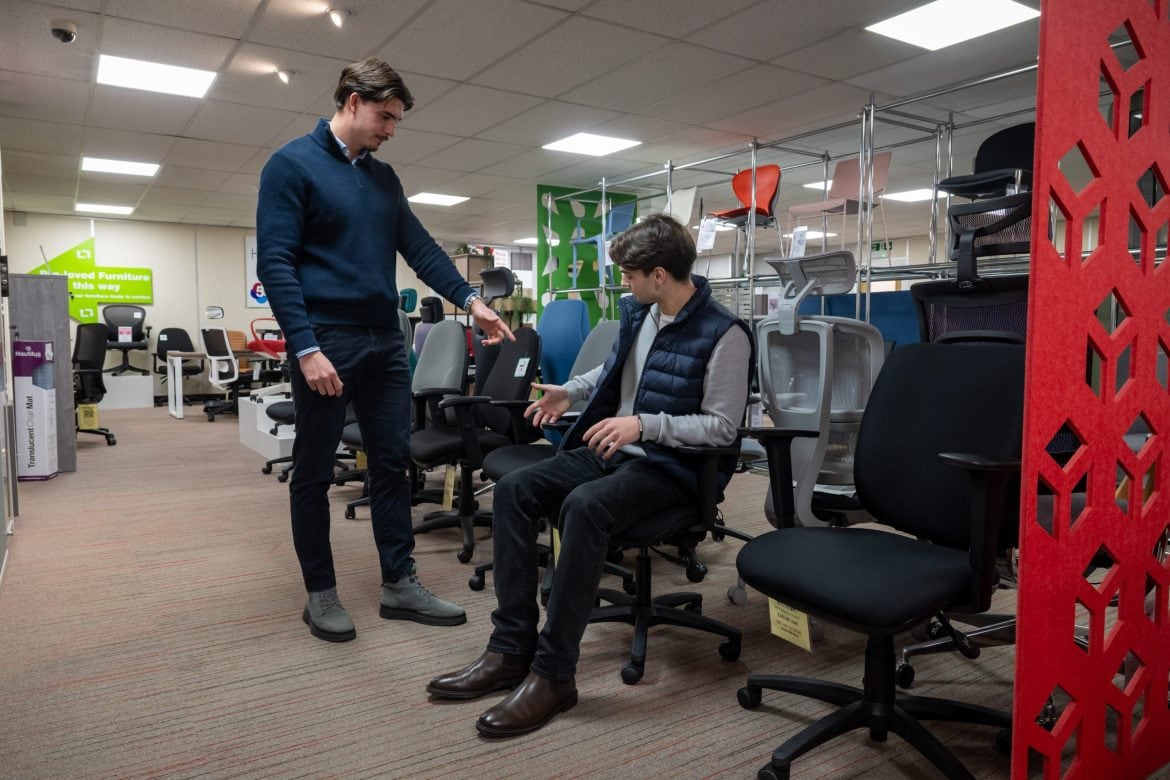
Choosing an office chair is often treated as a quick decision. In reality, it is one of the most important choices you or your employees can make – particularly if anyone in the team experiences back discomfort.
A chair is something that is usually used for several hours a day and a lot of employers do not realise that small differences in design, support and adjustability can have a real, noticeable impact over time.
Selecting the right chair is not just about appearance or price – it is about how the chair supports the person using it so that they can work comfortably and productively.
Why back care seating requires a different approach
Standard office chairs are designed to suit a wide range of users, but they do not always provide the level of support needed for individuals with back issues.
Back care seating is specifically designed to offer greater support, improved posture alignment and more adjustability – but even within this category, not every chair suits every person.
When choosing back care seating, it is important to consider factors such as:
- Lumbar support and how it fits the user’s back
- Seat depth and height adjustment
- Armrest positioning
- Overall posture support
These elements can vary significantly between chairs, which is why one model may feel comfortable for one person but not for another.
What office chair should I get if I have a bad back?
One of the most common mistakes when buying
is relying on product descriptions or images alone. Chairs that look similar can feel completely different when used.
Visiting a showroom allows you to properly test seating and understand how it feels when you are using it. This is particularly important for back care chairs, where comfort and support are highly individual.
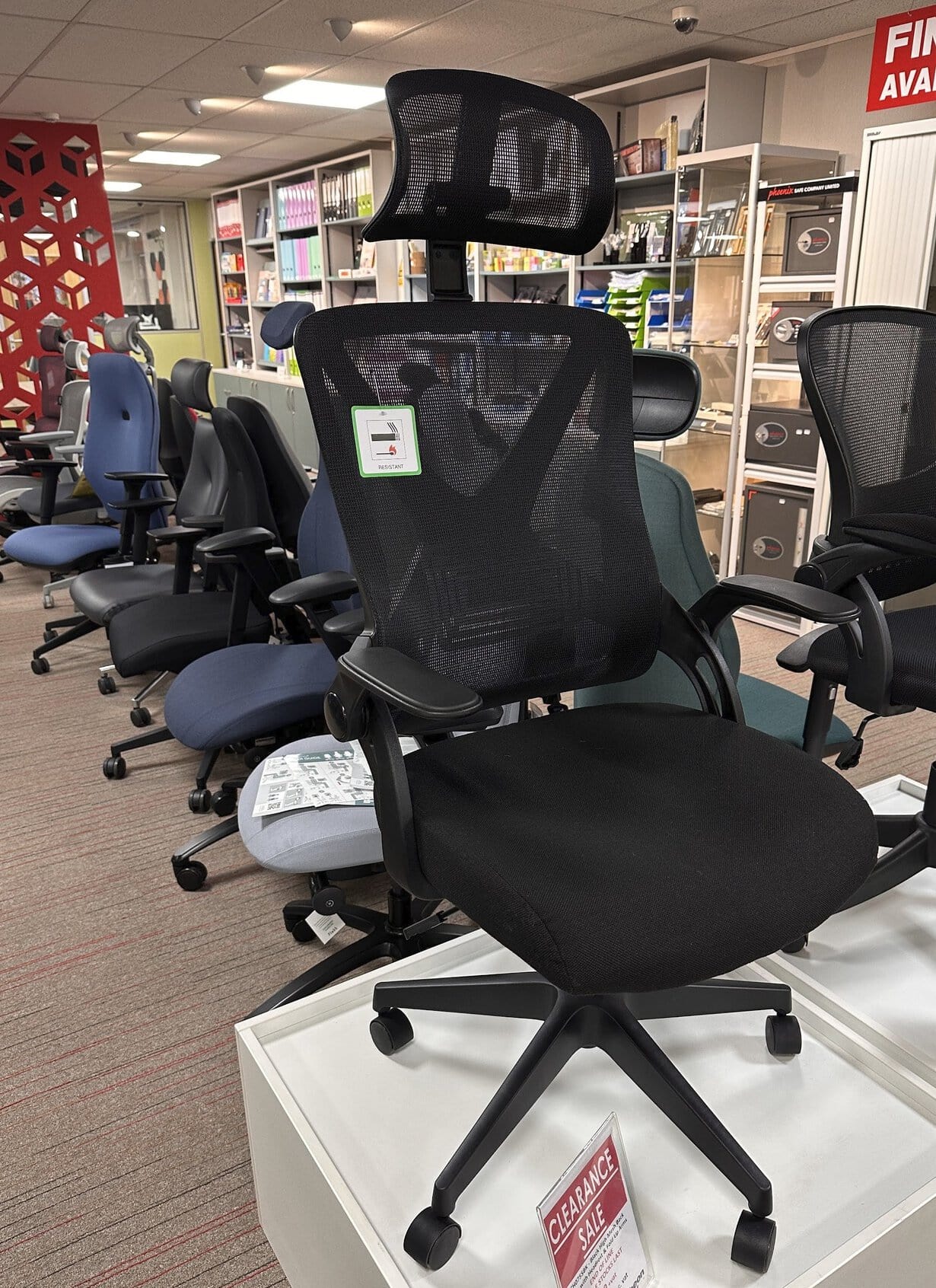
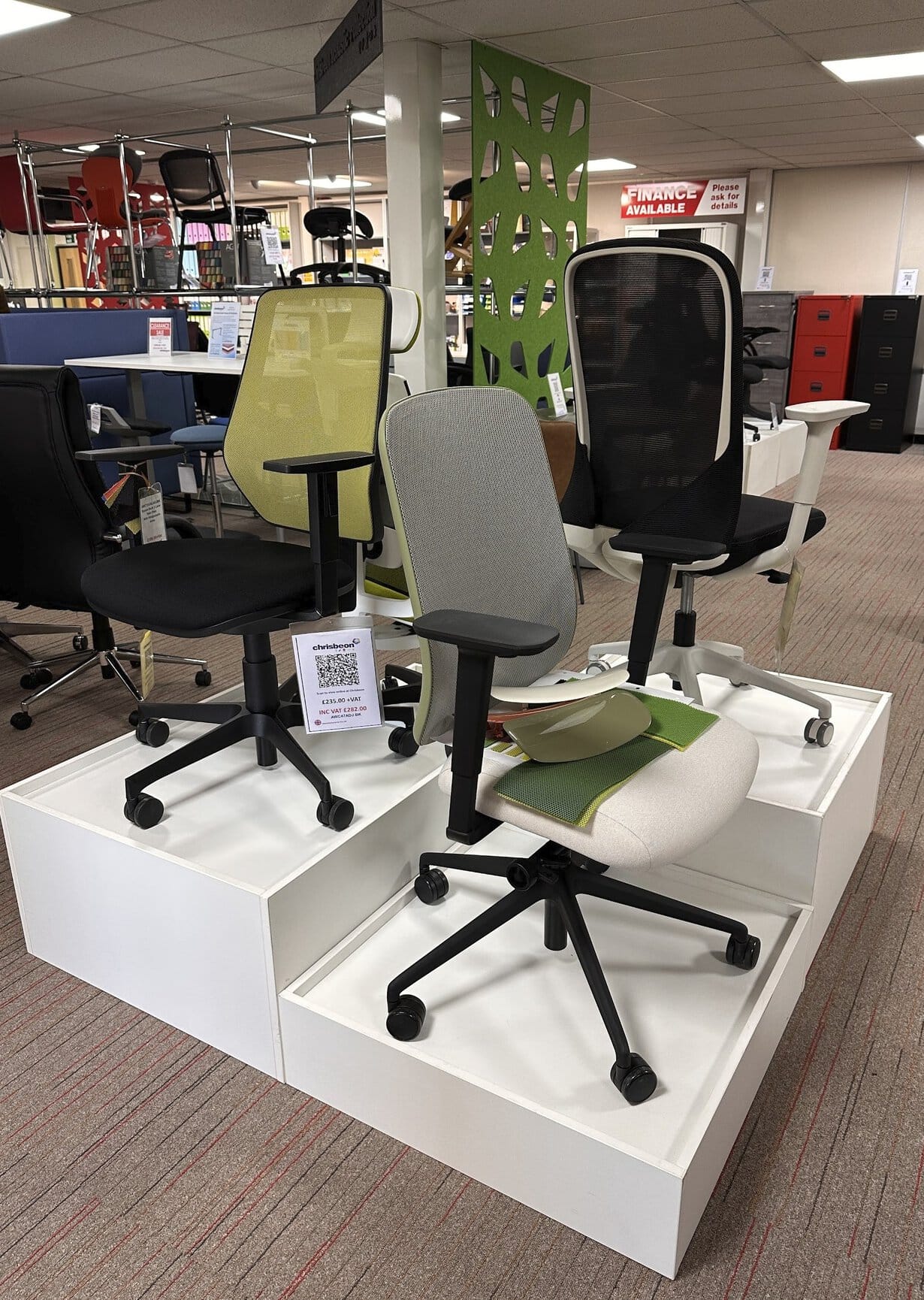
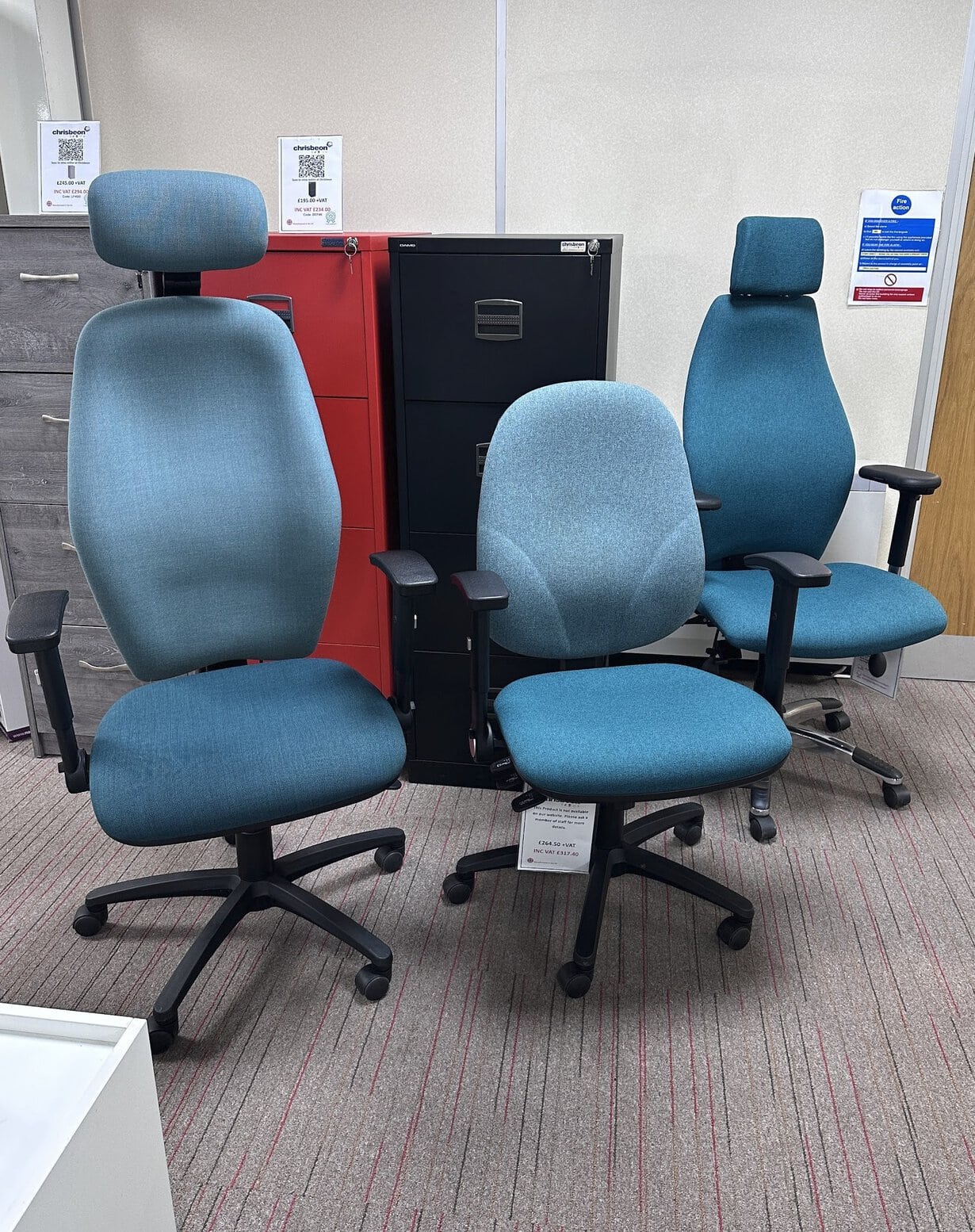
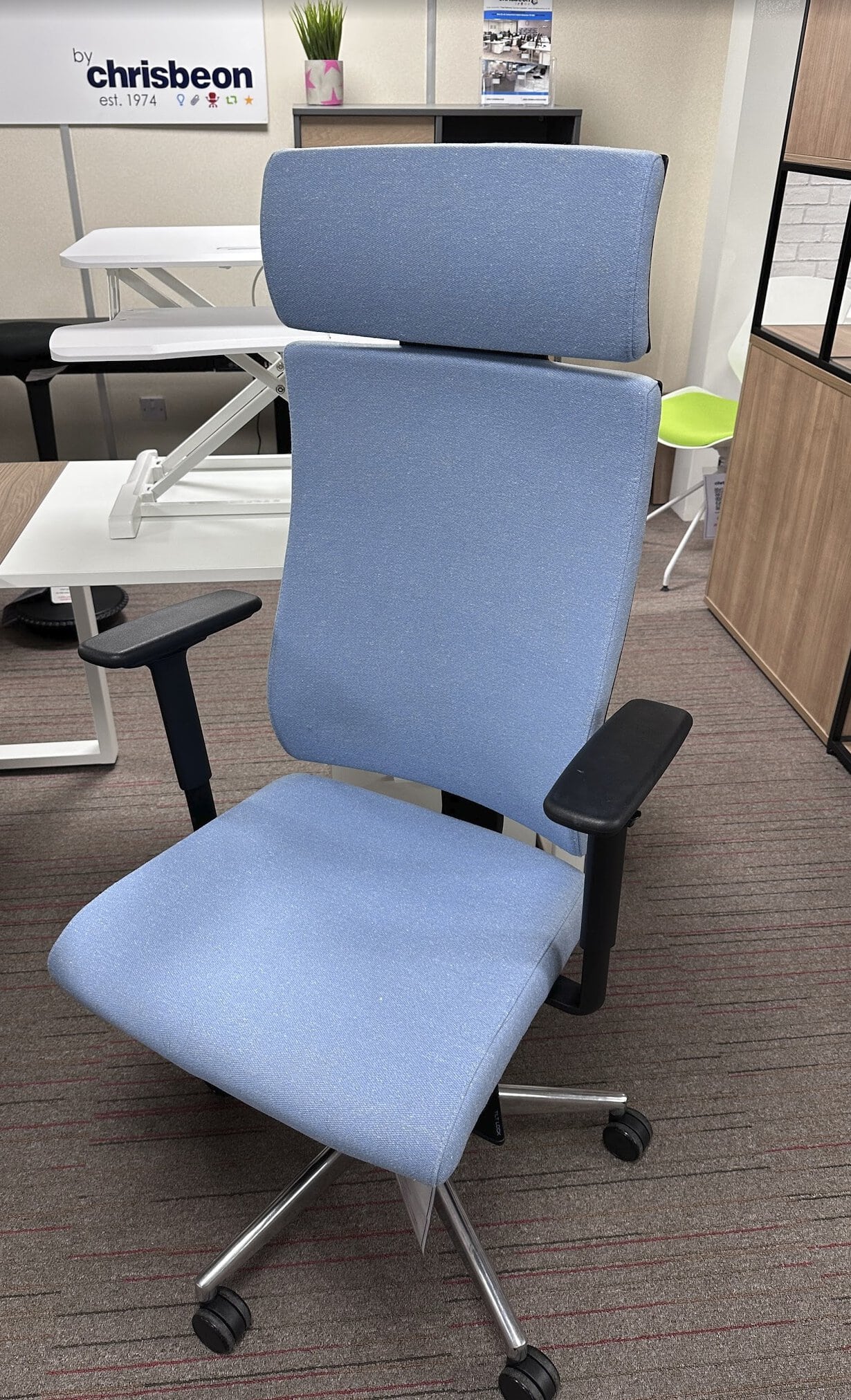
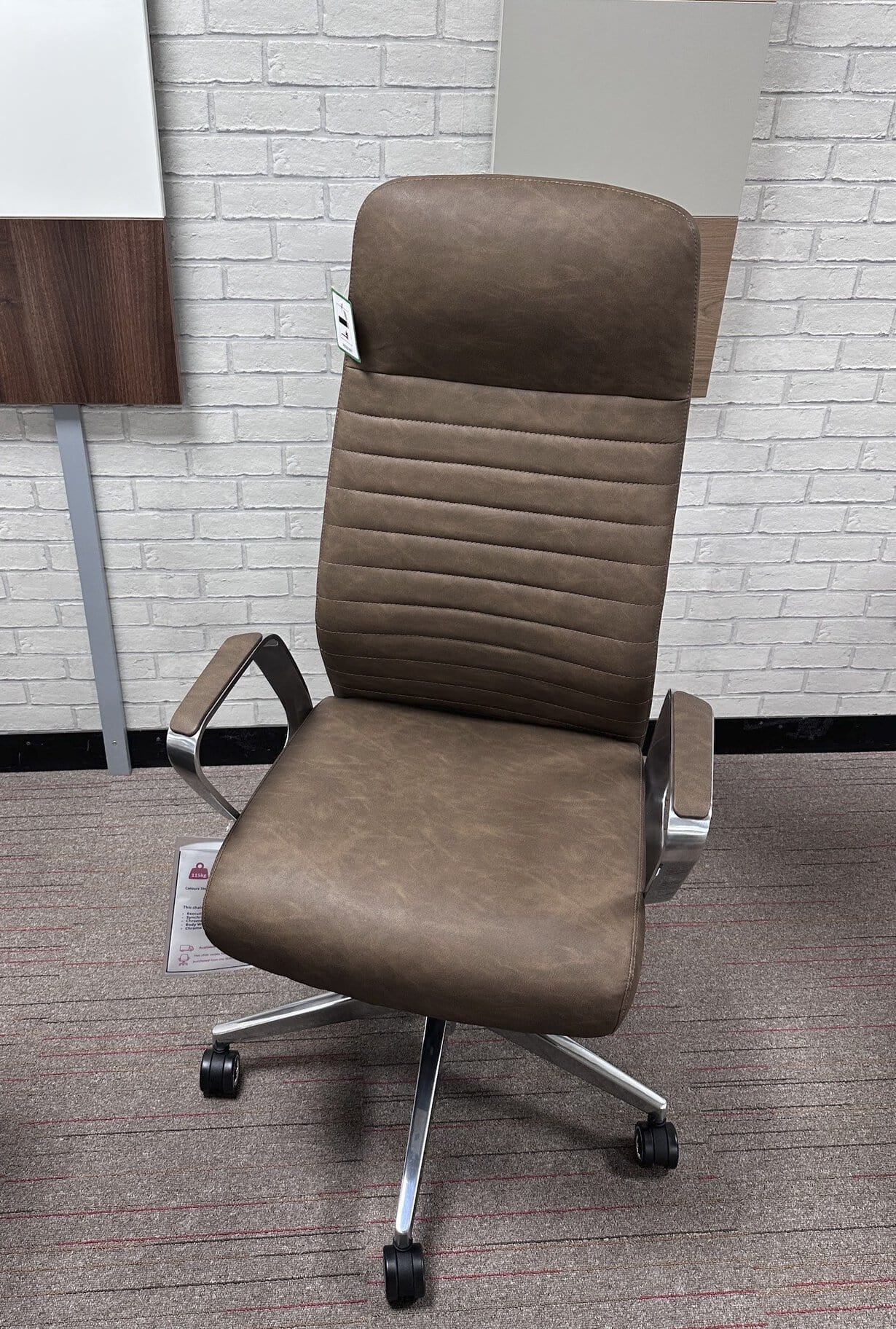
In a showroom environment, you can:
- Sit in different chairs and compare them directly
- Ensure a chair has adjustable settings that allow you to suit it to your posture
- Receive guidance on what to look for for your specific back problem
- Take the time needed to assess comfort properly
This process helps reduce the risk of choosing a chair that does not provide the support required.
Chairs that reduce back strain and support posture
A well-chosen chair can improve comfort, reduce strain and support better posture throughout the working day. Over time, this can make a significant difference to both wellbeing and productivity.
The wrong chair can actually lead to discomfort, poor posture and the need for replacement sooner than expected, costing a business more money.
Taking the time to choose carefully is usually worthwhile in the longrun for both employees and company budgets.
Testing chair options
Back care seating is not a one-size-fits-all solution. The best results come from understanding individual needs and testing options in person before making a decision.
If you are reviewing office seating, particularly for someone with back concerns, visiting a showroom and trying different options is often the most effective way to make the right choice.
We have a wide range of chairs on display in our showrooms, which are based in Stafford Park 4, Telford and open Monday to Friday, 9am to 5pm – please do pop in and see us or give us a call on 01952 292606 if you have any questions for the team.
Back care seating FAQs
What is the best office chair for back pain?
The best chair depends on the individual. Chairs with adjustable lumbar support, seat depth and armrests are often recommended, but trying them in person is important.
Where can I try an office chair before buying it?
We have a wide range of chairs in our office furniture showroom in Stafford Park 4, Telford. Sitting in a chair allows you to assess comfort and support properly, which cannot be judged from images or specifications alone.
What features should a back care chair have?
Key features of a back-care chair include adjustable lumbar support, seat height and depth adjustment and armrests that can be positioned correctly.
Can an office chair help improve back pain?
Yes, a properly fitted chair can support better posture and reduce strain, which may help improve comfort over time.